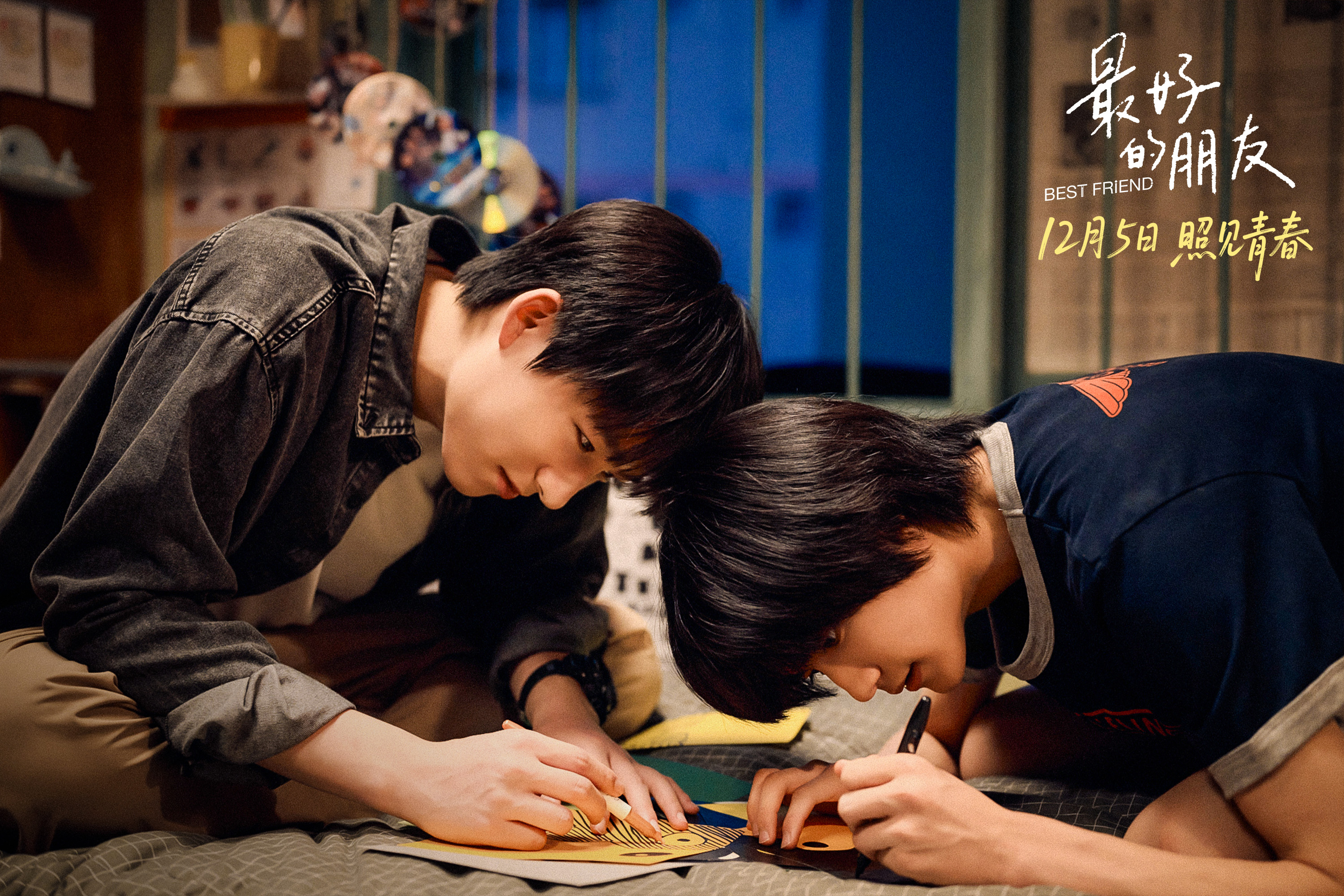
On December 3rd, the realistic youth film "Best Friends" held its national premiere in Beijing with the theme "Lighting Up the World a Little Bit." Director Song Zhuofei, along with lead actors Yang Zhihe, Duan Aojuan, Wu Chao, Wang Hongtian, and Ni Jingyang, gathered at the event to engage in a heartwarming dialogue about youth, understanding, and protection, together with art consultant Huo Tingxiao, autism rehabilitation expert Jia Meixiang, and representatives of "children of the stars." The film will be released in theaters nationwide on December 5th, "World Volunteer Day."
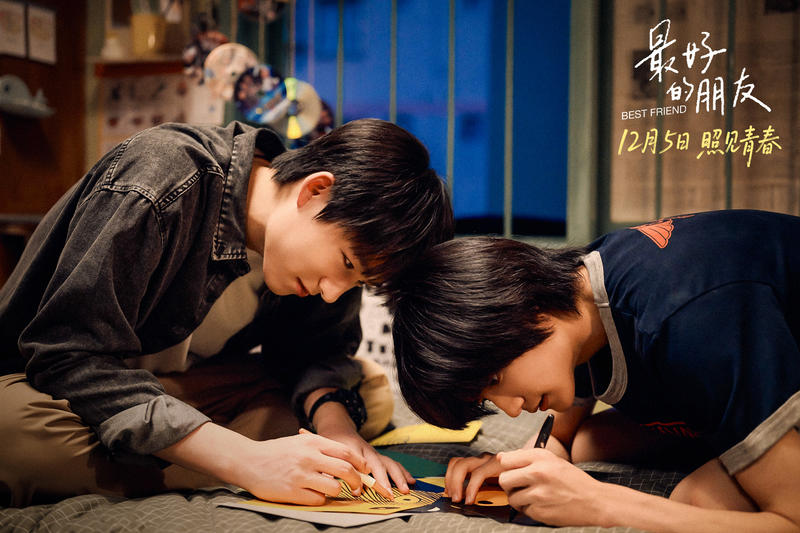
"Best Friends" uses autism as a starting point to unfold a youthful dialogue about inclusion and understanding: the encounter between high school student Zhao Fei (played by Yang Zhihe) and girl Xia Qiu (played by Duan Aojuan) unexpectedly connects them with Xia Tian (played by Jyo Kairi), who suffers from autism. The worlds of the three teenagers begin to intersect: Zhao Fei goes from escaping himself to learning to take responsibility, Xia Qiu goes from carrying pressure to facing it with equanimity, and Xia Tian, through understanding and companionship, reveals a unique and radiant inner world.
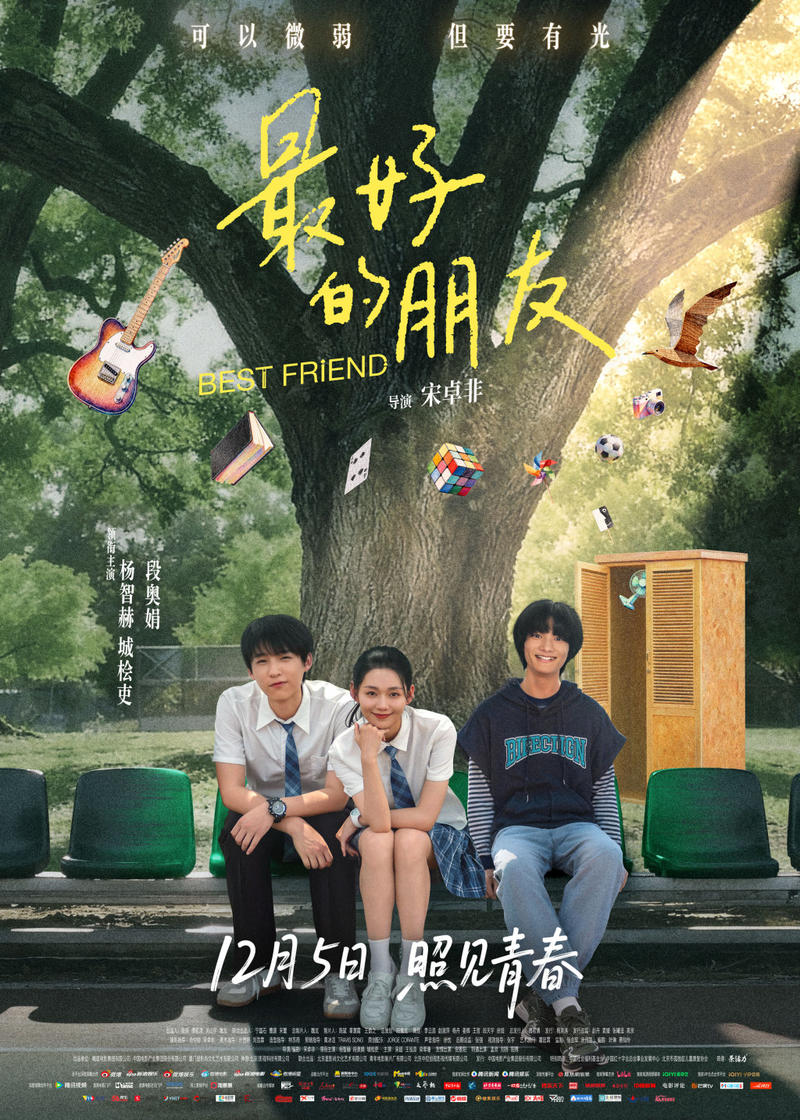
Movie poster
At the premiere, the lead actors subtly unveiled the inner complexities of their characters by using key props from the film as clues. Yang Zhihe appeared holding the black curtain used by Zhao Fei on his magic stage; the bright smiley face pattern on the curtain became the first emotional anchor of the entire ceremony. "A smile can give people strength," he explained, "which is exactly the belief that Zhao Fei wanted to convey to his autistic younger brother, Xia Tian." To accurately portray this boy who uses magic to open the doors of others' hearts, he spent two hours every day practicing card tricks during filming.
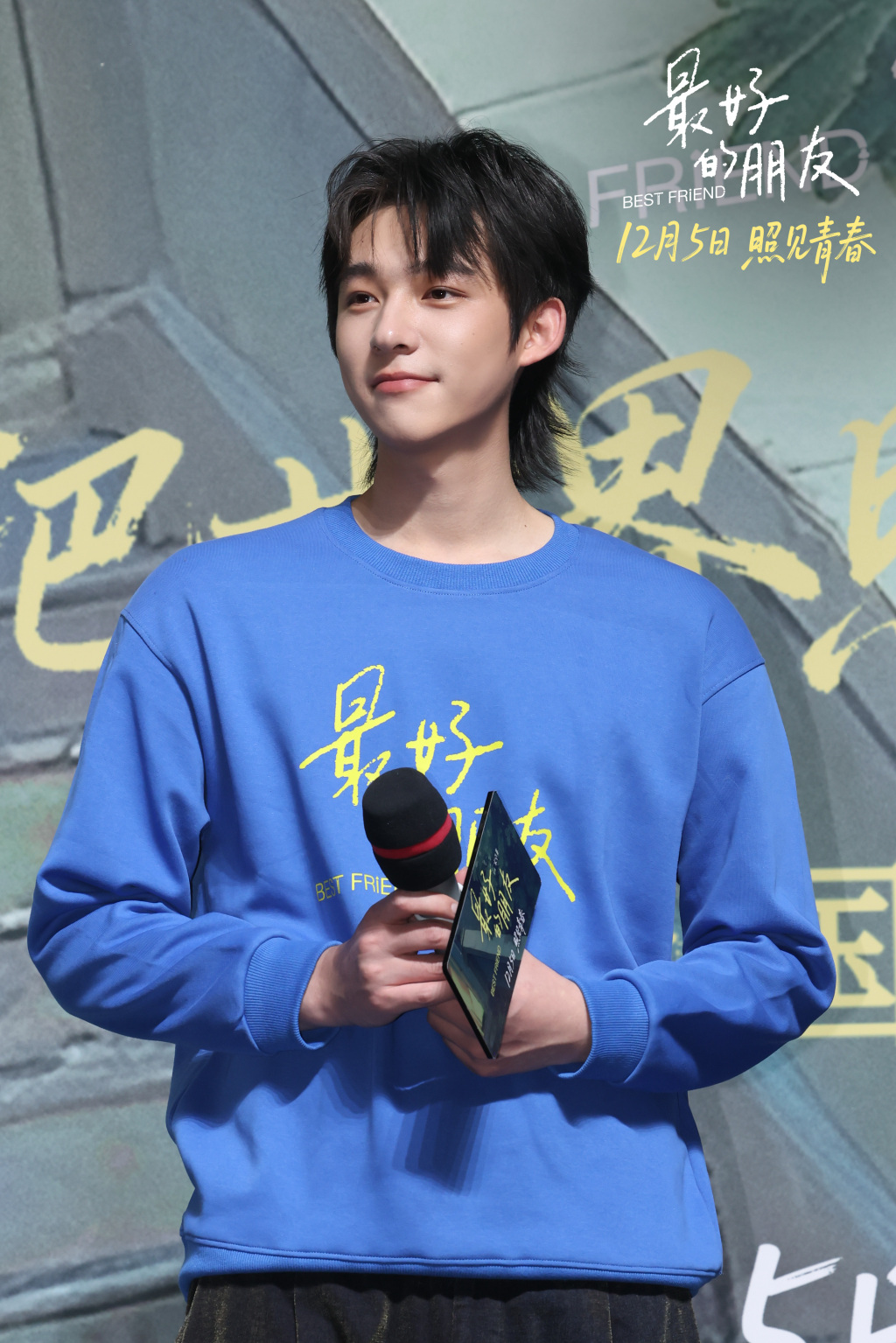
Yang Zhihe
Speaking about his interactions with autistic children in charitable organizations, Yang Zhihe was deeply moved: "After spending time with them, you realize that they are essentially the same as us, just with different ways of expressing themselves. I hope that through this film, more people can see and understand this group."
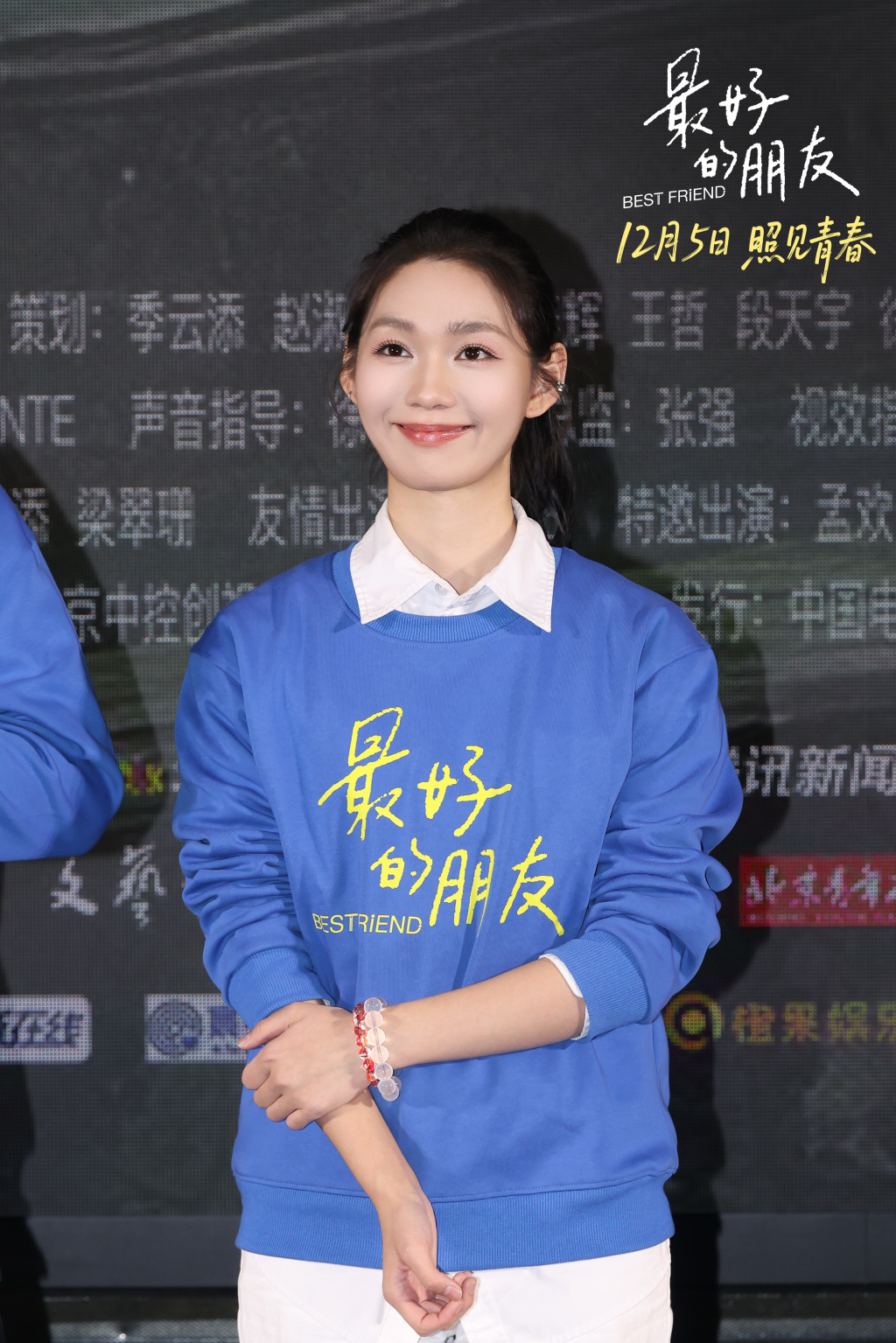
Duan Aojuan
Duan Aojuan appeared with the serving plate that Xia Qiu prepared for her younger brother, interpreting the character's "quiet yet powerful" qualities through details. "Because her brother, who has autism, only likes to eat dishes that can be seen and separated, Xia Qiu uses the serving plate to separate the ingredients by color," she said softly. "This seemingly simple gesture is actually a sister's respect for and protection of her brother's living habits."
The retro camera in Wang Hongtian's hand connects the threads of the youthful portrait. "Zhou Fang wanted to remember her seventeen-year-old self through the camera. This camera captured the moments of her friends and witnessed the warm times when everyone walked side by side."
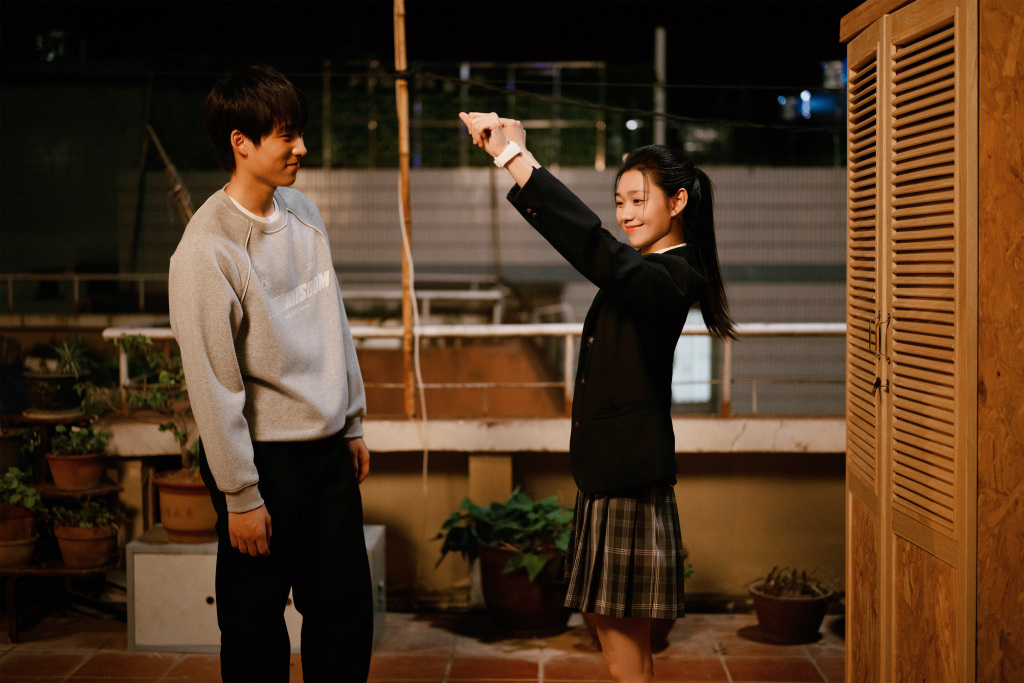
Movie stills
Wu Chao and Ni Jingyang, who played the parents, infused the coming-of-age story with a profound family dimension. Wu Chao, drawing inspiration from the science fiction novel written by his character Xia Heping, the father, candidly shared his acting experience: "This role truly allowed me to enter the world of families with autistic children. After meeting many parents, I realized their greatness. So, Xia Heping's journey from initial impatience to eventual acceptance and letting go, allowing his daughter to pursue her dreams, is a kind of growth." Ni Jingyang, holding a sketch of a magic trick drawn by her son, revealed the nuances of their mother-son relationship: "Zhao Fei's mother's story reminds us that every child is an independent individual. I hope that, starting with me, parents can better communicate with their children and learn to respect them."
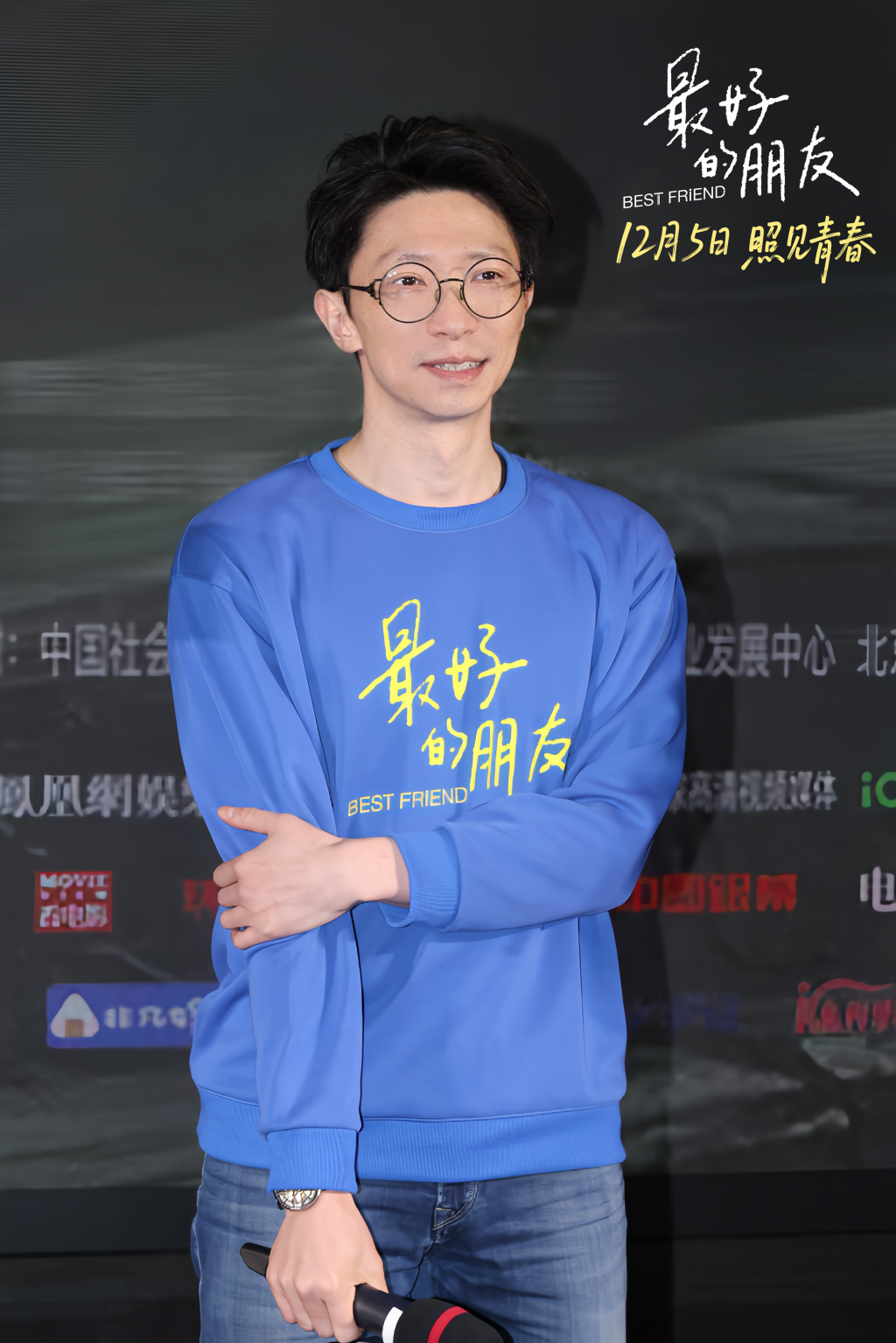
Director Song Zhuofei
The film's equitable portrayal of the autistic community resonated with audiences at its premiere. Director Song Zhuofei, sharing his creative vision, emphasized, "This film is about 'de-stigmatizing.' People are incredibly complex, and the autistic community is no exception. I hope to promote mutual understanding through this story and create a more inclusive social environment for them." Artistic advisor Huo Tingxiao also affirmed the film's social value: "Chinese cinema needs such heartwarming works, especially those focusing on special needs groups."
During the post-screening Q&A session, two children of autism graced the event, extending the warmth of the film into reality. Fu Sichao, who plays a band drummer in the film, couldn't hide his excitement: "Filmmaking is a slow and meticulous process, and this experience made me feel the rigor and joy of creation." Director Song Zhuofei added, "His innate sensitivity to rock music infected the entire crew." Another young boy, Wang Boya, enthusiastically introduced his beloved museum collection and said with a smile, "I'm very happy after watching the film today; everyone here is my best friend."
Autism rehabilitation expert Jia Meixiang highly praised the film's social significance: "This is a young and positive work. The autistic community needs to be seen, and I hope everyone can contribute a little bit to make the world full of hope." Children's literature writer Cigel also said: "The film does not have cheap noise, but calmly unfolds a hidden gentleness, which is the most sincere respect for differences."