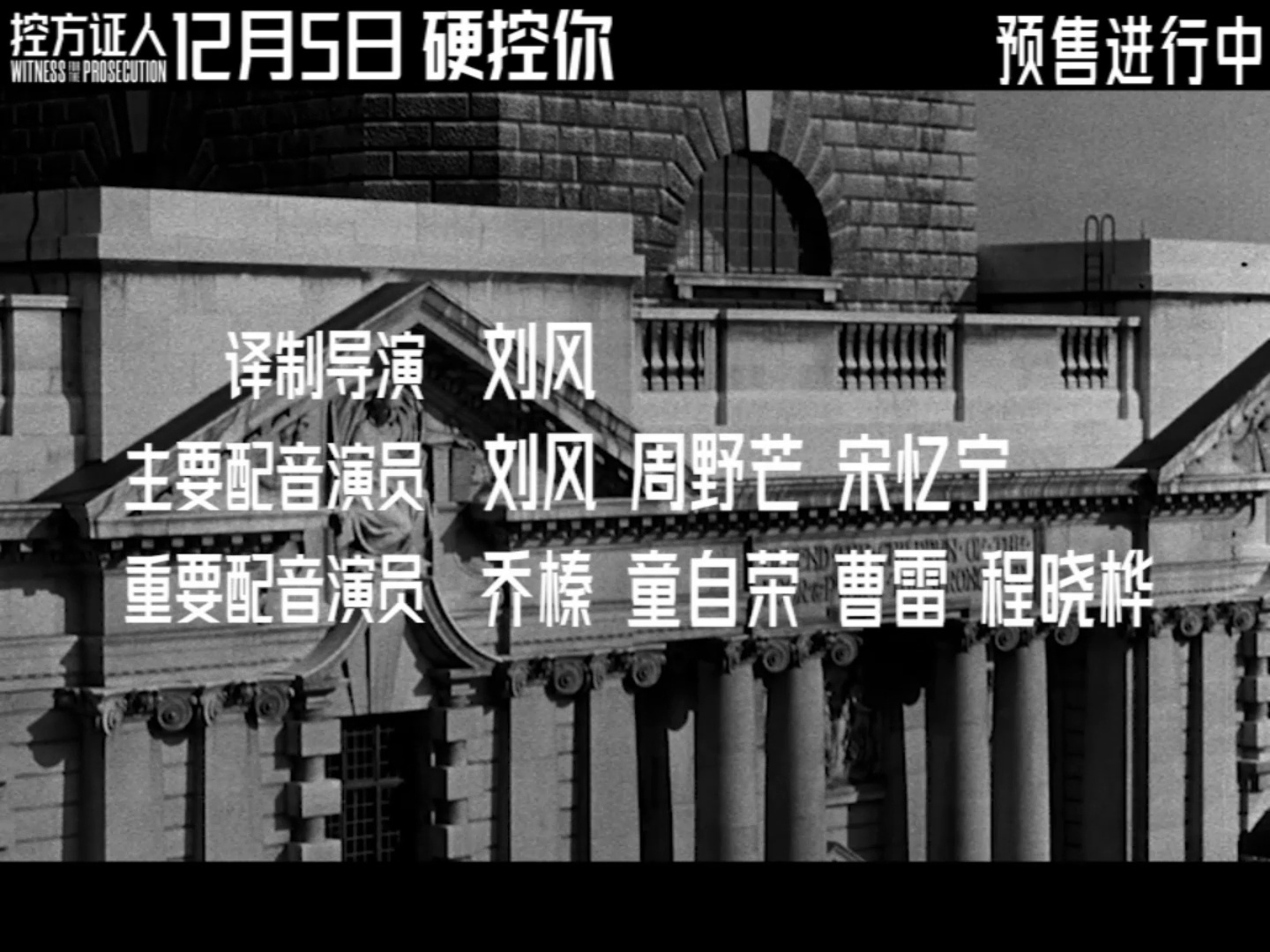
On December 5th, the suspense film *Witness for the Prosecution*, adapted from the novel by "Queen of Crime" Agatha Christie and directed by Billy Wilder, officially premiered in Chinese theaters. Besides the numerous plot twists and the outstanding performances of Charles Laughton, Tyrone Power, Marlene Dietrich, and other actors, another major highlight of this 1957 classic is the gathering of actors from various generations of the Shanghai Film Dubbing Studio, showcasing the charm of dubbed films. In addition to Liu Feng, Zhou Yemang, and Song Yining providing the voices for the three main characters, the participation of veteran artists from the Shanghai Film Dubbing Studio, including Qiao Zhen, Tong Zirong, Cao Lei, Cheng Xiaohua, and Cheng Yuzhu, is the biggest surprise.
On the opening night, The Paper's official film viewing group, "The Film Team," held a special screening of "Witness for the Prosecution" at the Shanghai Grand Cinema. After the screening, Liu Feng, director of the Shanghai Film Dubbing Studio and director of the film, led a group of dubbing artists including Qiao Zhen, Cheng Xiaohua, Zhou Yemang, and Wang Xiaobing to the cinema to meet with the audience and share their experiences with the dubbing. The event immediately turned into a large-scale fan meeting. At the strong request of the fans, Zhou Yemang once again transformed into Old Wang from "Vegetable and Meat Wonton," performing his lines for Leonard Wall in "Witness for the Prosecution" in Shanghainese. Wang Xiaobing also recreated Grandpa Niu's classic lines from "Big Ear Tutu," eliciting laughter from the audience.
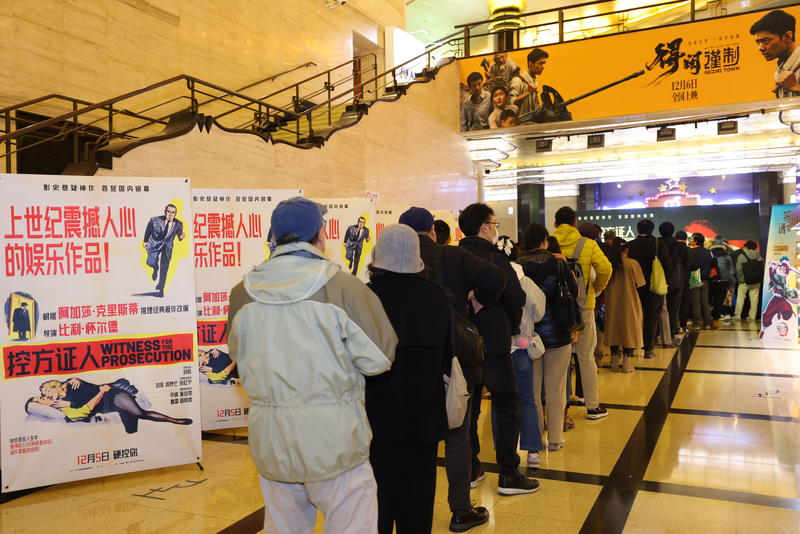
Film fans who participated in this "Film Surge Team" screening event
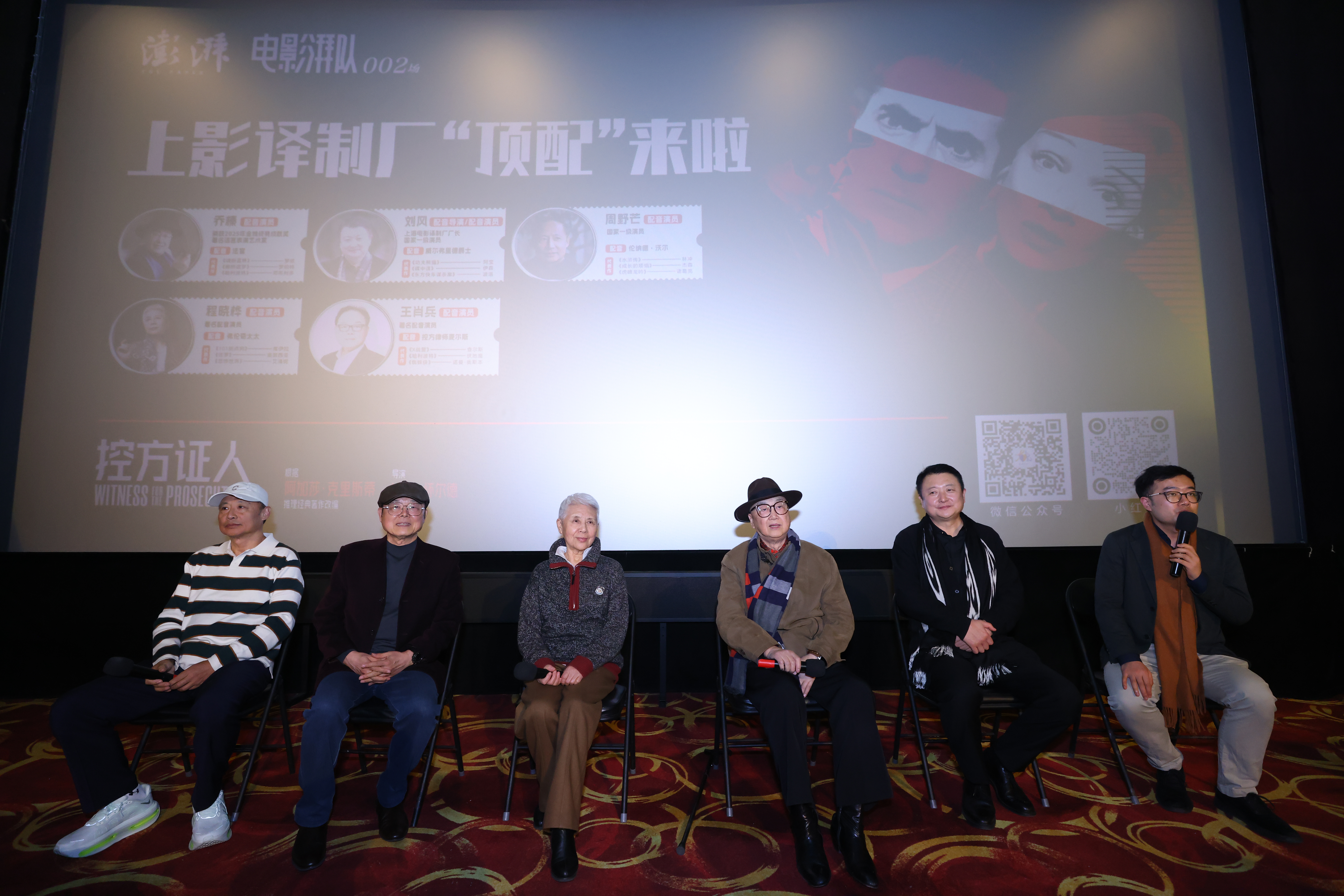
Post-screening scene
That afternoon, at the invitation of "Film Team," this voice-over "dream team" visited the Shanghai Media Group for a live broadcast. During the broadcast, they chatted like old friends, discussing how they interpreted the characters in "Witness for the Prosecution," reminiscing about the influence of predecessors like Chen Xuyi and Qiu Yuefeng during the golden age of dubbed films, and not shying away from discussing the controversial "dubbed accent." They also inadvertently revealed various secrets, such as how Wang Xiaobing, who did not have formal training, entered the Shanghai Film Dubbing Studio, and which extras in "Escape from the Tiger's Mouth" were voiced by Qiao Zhen.
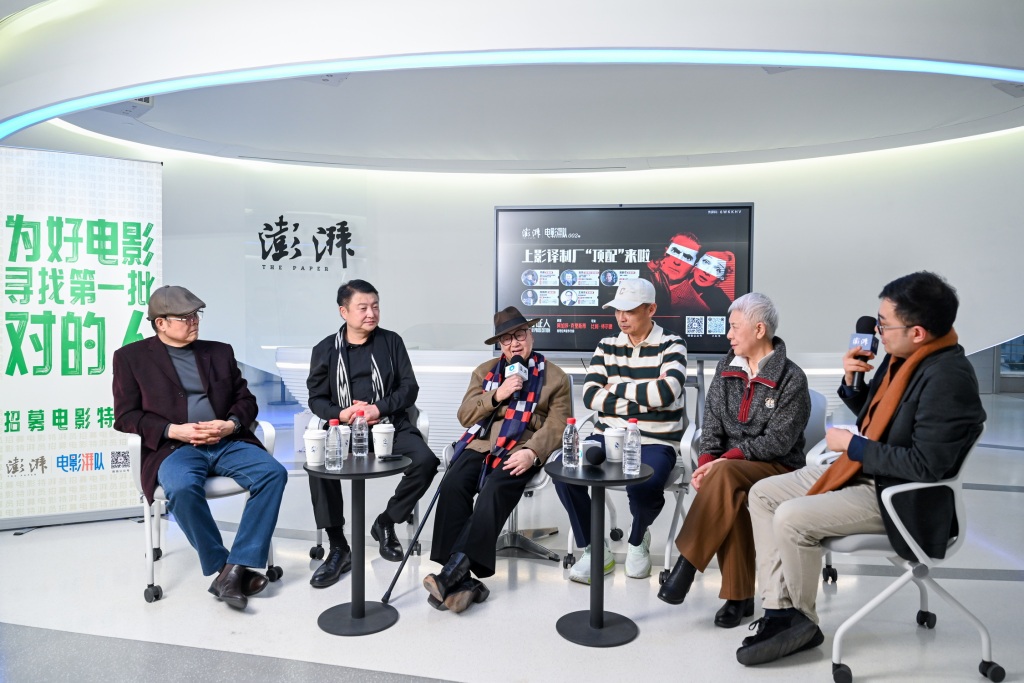
From left: Wang Xiaobing, Liu Feng, Qiao Zhen, Zhou Yemang, Cheng Xiaohua, and live broadcast host Zheng Shiliang (Photos taken by reporter Zhu Weihui).
Listening to their detailed explanations, one can easily understand why the dubbed films produced by the Shanghai Film Dubbing Studio are so unforgettable and captivating to audiences; one can also foresee that such a group, which emphasizes the inheritance of spirit and teamwork, will go even further.
It's not about focusing on the voice, it's about focusing on the character.
"Witness for the Prosecution" tells the story of Leonard Wall (Zhou Yemang), an unemployed man accused of murdering the wealthy widow Mrs. French (Cheng Xiaohua). Sir Wilfred (Liu Feng), recovering from a serious illness, is hired by his friend Mayu (Tong Zirong) as his defense attorney. However, after meeting Wall's wife, Christine (Song Yining), he realizes the case is extremely difficult. In court, he must challenge the unfavorable testimony of Mrs. French's maid, Janet (Cao Lei), and also face an unexpected witness brought in by the prosecution attorney, Miles (Wang Xiaobing)...
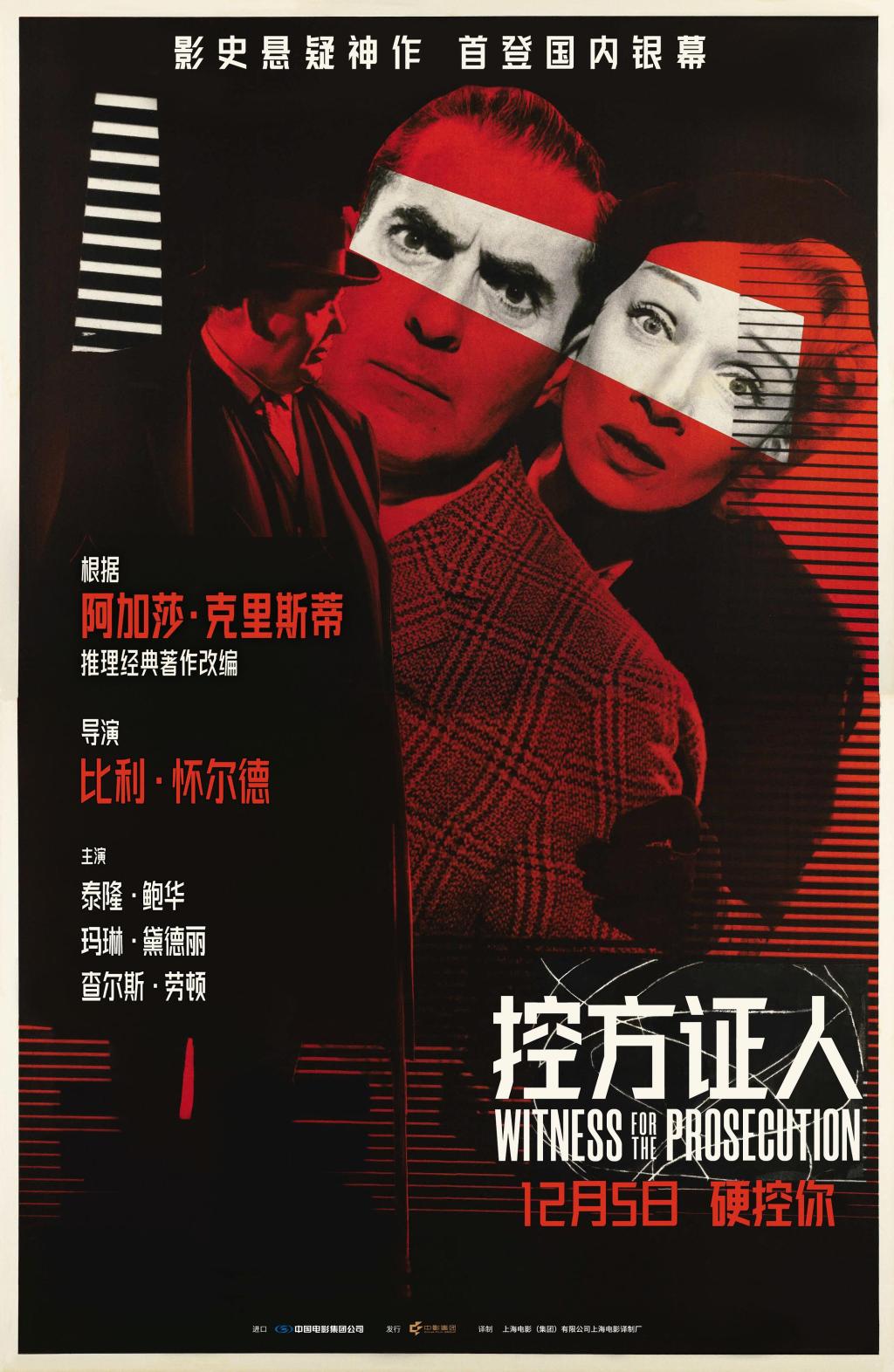
Poster for "Witness for the Prosecution"
In Qiao Zhen's understanding, "Witness for the Prosecution is a film that severely tests the singing skills of voice actors. It has extremely strict requirements for language, and the dialogue contains a lot of legal jargon." "Another characteristic of this film is its large cast of characters with diverse personalities. For example, Ye Mang voices Wall, played by Tyrone Power, a popular young actor in the 1940s. By the time this film was shot in the 1950s, he was middle-aged, but still handsome. I remember dubbing for Tyrone Power when I first started working; it was for his film *The Bomber* (also known as *The Bomber*). Liu Feng also voices Sir Wilfrid, played by the great artist Charles Lawton. Liu Feng himself was very suitable for the role, but even so, he put a lot of effort into understanding the character's personality. As for the judge I voiced, he always upheld the principles of fairness, impartiality, and justice, but he also had a witty and humorous side. Because he had to maintain the rigor of the law while also skillfully controlling the atmosphere in the courtroom."
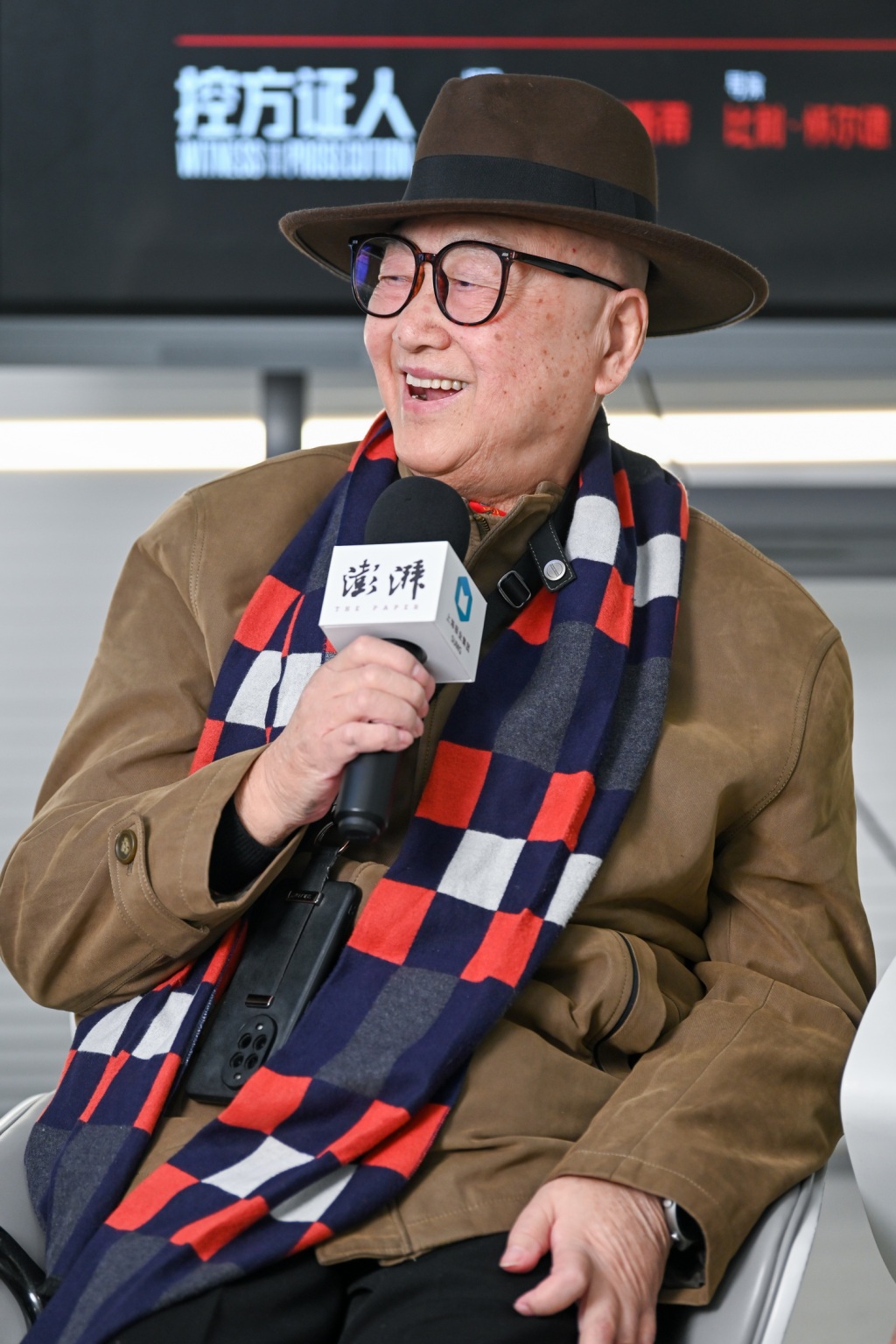
Qiao Zhen during the "Movie Team" live broadcast event
Qiao Zhen believes that the key to being a dubbing actor lies in thoroughly understanding the character and bringing out their soul, rather than obsessing over whether their voice sounds like the real person. Liu Feng strongly agrees, saying, "Actually, when we're creating a character, we don't think too much about what voice to use. Instead, we find the feeling of the character, and whatever voice naturally comes out is that voice. I hadn't dubbed a courtroom scene before, but I had seen Qiao Zhen dub the Pakistani film 'The World.' This time, we even went to the First Intermediate People's Court to experience the atmosphere of a courtroom firsthand and even sat in on a case similar to 'Witness for the Prosecution.' So actors really need to experience life; you can't bring out the feeling of a character just by imagining it."
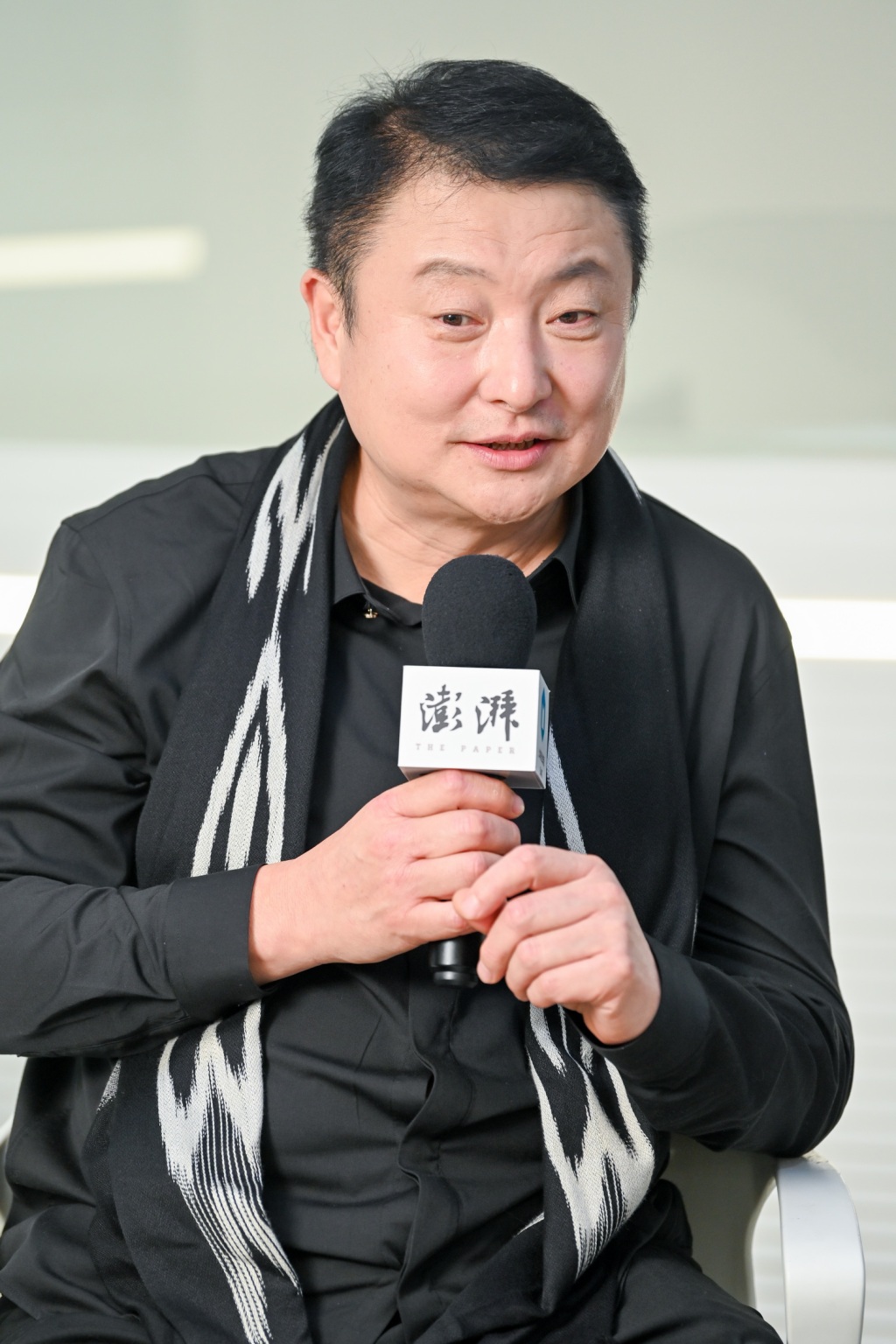
Liu Feng during the "Film Team" live stream event
When discussing his understanding of the character Wilfred, Liu Feng said, "He is an aristocrat, and I originally thought that the voice of an aristocrat should be more ornate, for example, Churchill, played by Charles Laughton, was also of noble birth. But Sir Wilfred is a bit different; he is a very casual person. So I thought that perhaps a true aristocrat doesn't put on airs. Therefore, I wasn't constrained by his status, but rather understood the character based on the actor's performance."
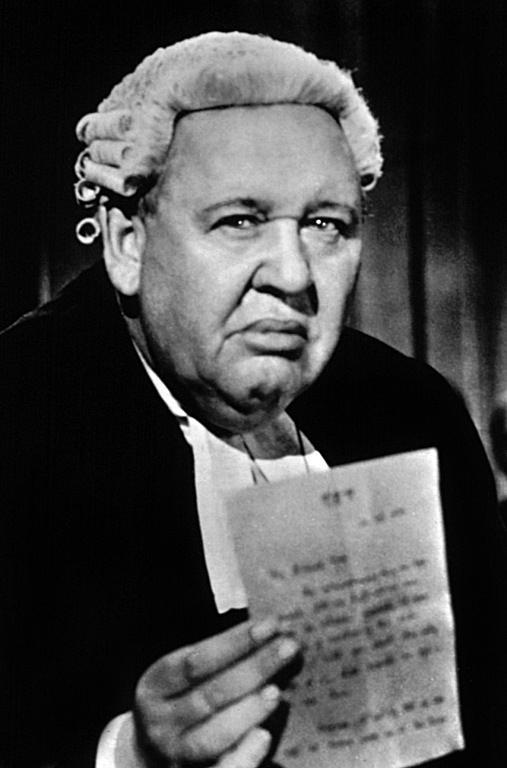
Sir Wilfred, played by Charles Laughton, is voiced by Liu Feng.
Wang Xiaobing, who voiced the prosecution lawyer, had previously performed in the stage play "Witness for the Prosecution." "So playing this role didn't put any psychological pressure on me," he said. "But you also have to be careful that courtroom scenes aren't just simple back-and-forth exchanges; you have to grasp the character's personality, that flamboyance and exaggeration. Because he's a prosecution lawyer who's already very confident, there's actually a certain element of acting in court."
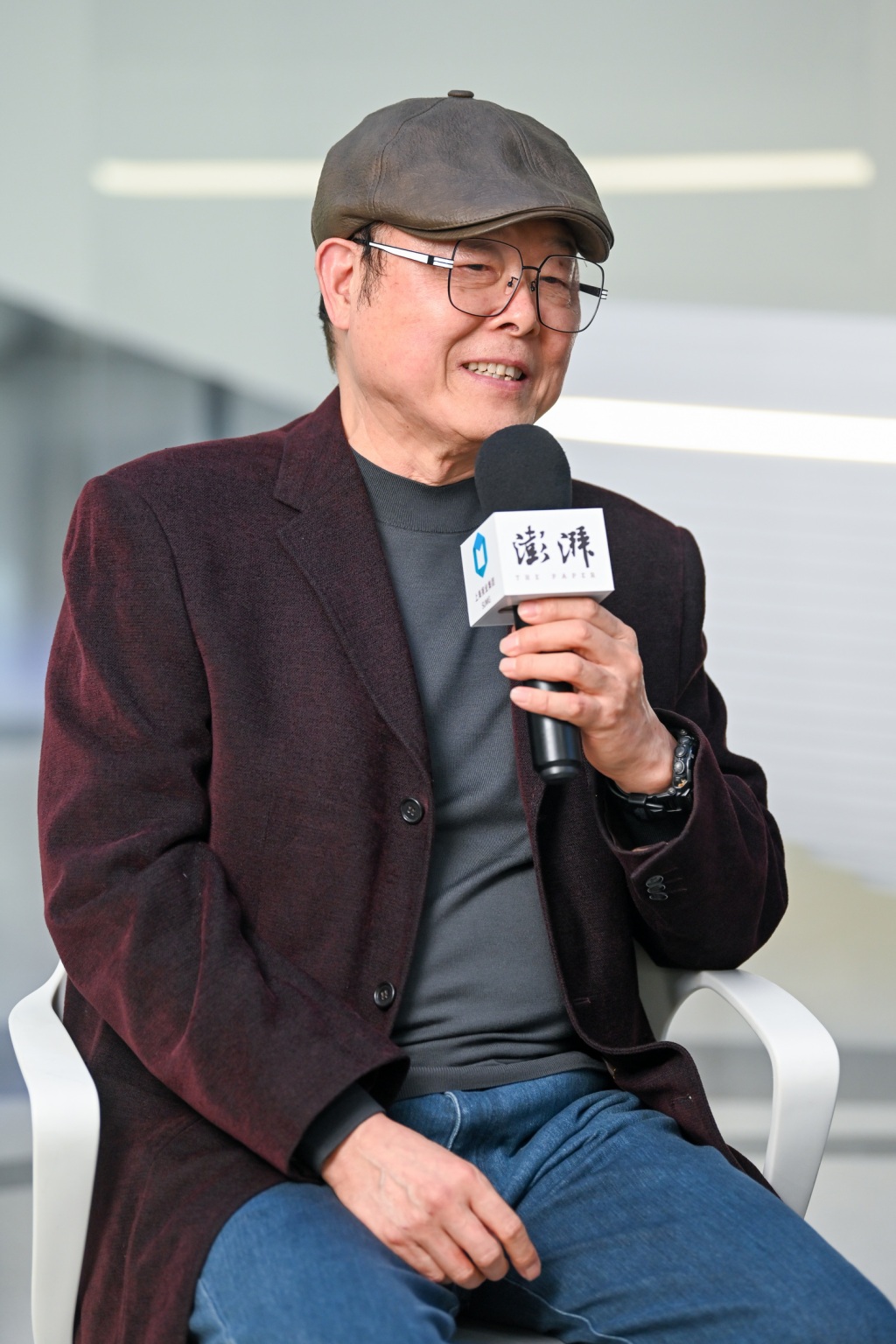
Wang Xiaobing during the "Film Team" live stream event
Zhou Yemang, who works across stage, film, and voice acting, said, "The character of Wall is between youth and middle age. At first, I was worried that my voice might sound a bit old. But then I realized that I had to follow the character and grasp his emotions. For example, when his emotions were running high, his tone would be a bit higher. Teacher Qiao also told me, 'I don't care about how your voice sounds, I only focus on the details. You have to give up your own ego and not have so many distracting thoughts. When you liberate your voice, your performance will naturally come out.'"
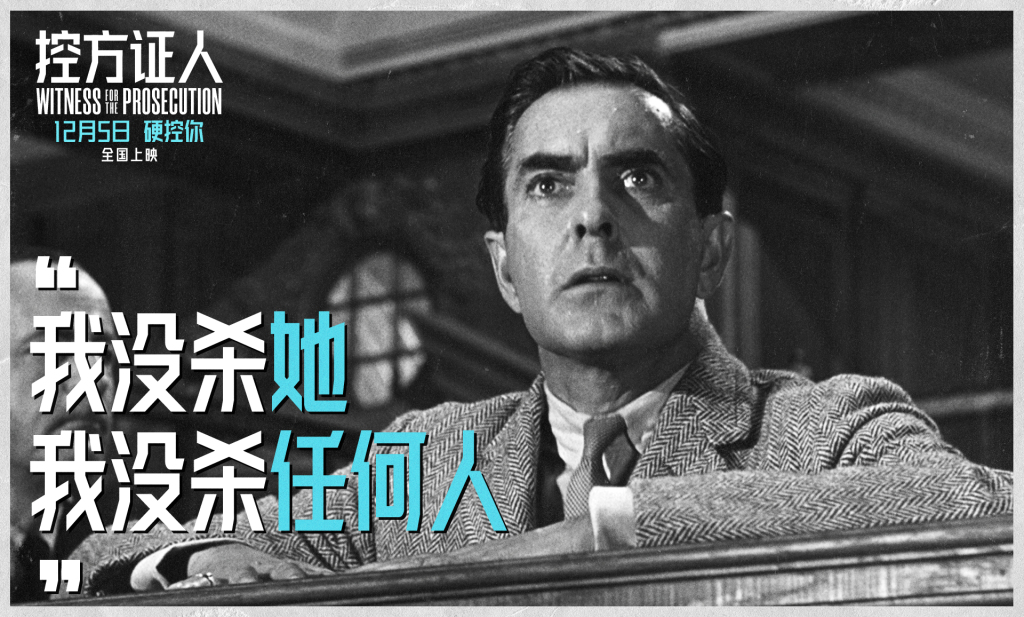
Tyrone Powers' Leonard Wall is voiced by Zhou Yemang.
Regarding how he balanced acting and directing, Liu Feng frankly admitted, "When I get into character, I still ask Teacher Qiao to check on me, after all, acting and directing are different roles." In fact, when Liu Feng was busy with other work, Qiao Zhen also took the initiative to take on the role of on-set artistic director. Wang Xiaobing, who is quite experienced and has dubbed many classic roles such as Voldemort and Tirion Fordring, revealed, "Teacher Qiao Zhen is very strict. He is meticulous about the pronunciation of every word and always encourages me with 'You can do better.' I have worked with Teacher Qiao many times, including in films he directed. I have also dubbed many Hollywood blockbusters, but to be honest, there are very few singing performances like 'Witness for the Prosecution.'"
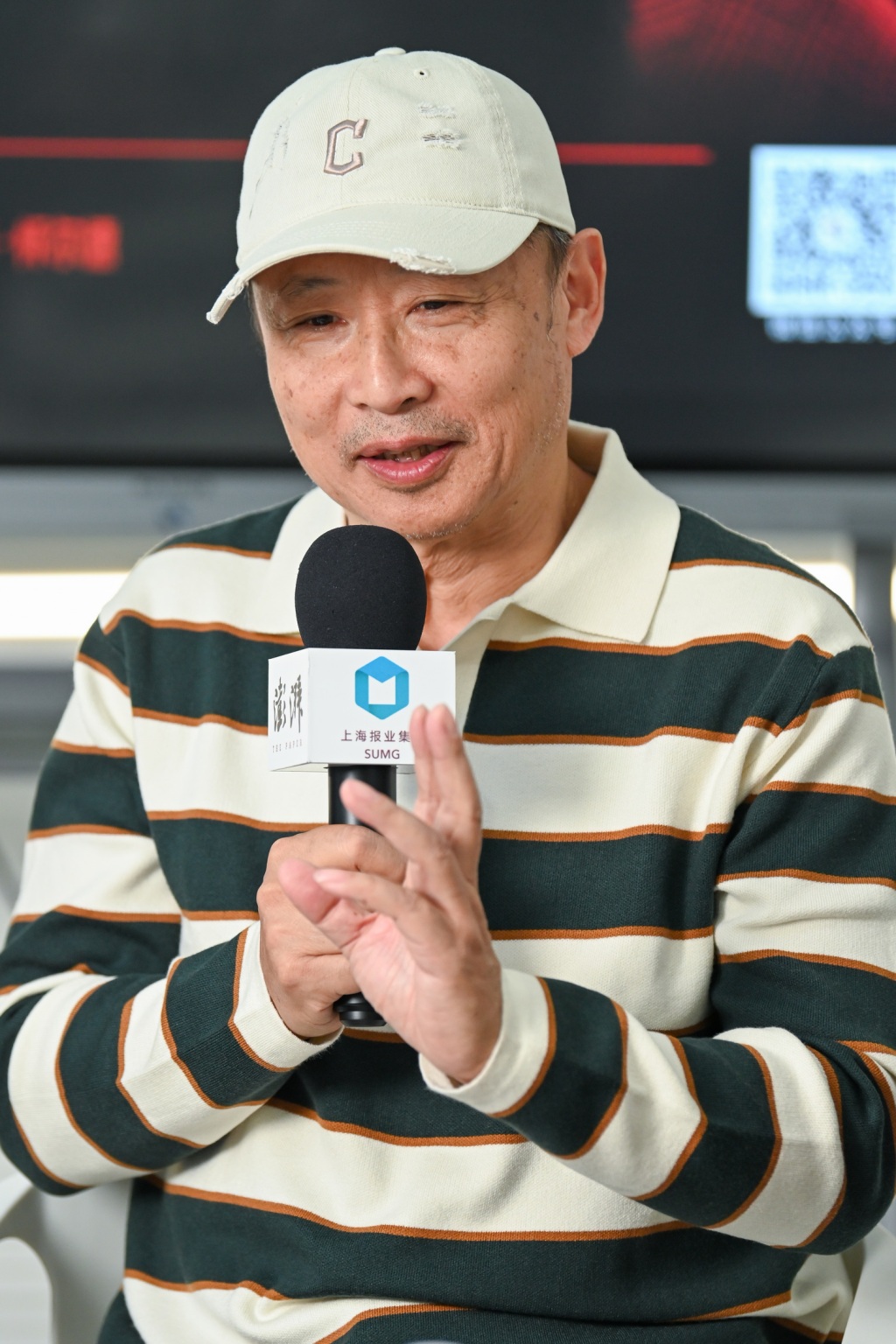
Zhou Yemang during the "Film Team" live broadcast event
Although Qiao Zhen humbly stated that he was only assisting director Liu Feng this time, the live broadcast room had become a scene of confessing one's idol. Zhou Yemang then said, "From the beginning of my involvement in the arts to later learning dubbing, I have always been a fan of Teacher Qiao Zhen. He is like a lighthouse, and we are like small boats sailing on the sea."
Liu Feng also mentioned that "Witness for the Prosecution" was Qiao Zhen's first work completed after receiving the Lifetime Achievement Award from the China Federation of Literary and Art Circles. "But I think this award is not only to recognize Teacher Qiao Zhen, but also to our industry, or rather, to the art of sound," Liu Feng added.
"Dubbed accent" is acceptable, but roles are not important.
Tracing its origins, my country's dubbed films are a product of a special era. In the early days of the People's Republic of China, the literacy rate was low, and foreign films with subtitles could not be accessible to everyone, so dubbing was adopted. However, this also means that today, conditions are vastly different, and some people will inevitably prefer to watch original works with subtitles. Even the debate about whether the so-called "dubbed accent" is good or bad has arisen.
“Indeed, we sometimes hear young people mention ‘dubbed accent,’ which actually proves the beauty of dubbed films, their unique linguistic feel, and their widespread influence, which are deeply rooted in the hearts of generations. So I would like to correct some misconceptions here,” Zhou Yemang said.

Cheng Xiaohua during the "Film Team" live broadcast event
In Cheng Xiaohua's view, the so-called dubbing style actually reflects the characteristics of the era in which the work was produced. "For example, 'Witness for the Prosecution' is a black and white film, so it will definitely have its own sense of the era. What we need to do is to use sound to get as close to that era as possible," she explained. "Another point is that our recording equipment in the past was completely different from the equipment we have now. Sometimes the director would ask, 'Make the sound come out a little more,' and the result of 'coming out a little more' would be that the pitch would sound higher, so it would feel more performative."
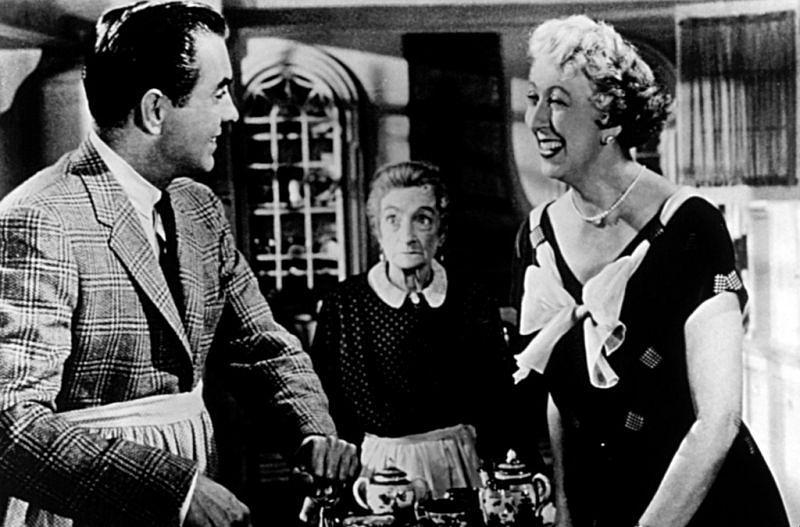
Cheng Xiaohua voices Mrs. French (first from right) in the film, while Cao Lei voices the maid Janet (center).
In this series, Cheng Xiaohua voices Mrs. French in "Witness for the Prosecution." Although her role is small, she is a key figure in the entire case. Speaking about her understanding of the character, she said, "This time, I voiced a pampered lady who happens to meet a younger man who captivates her. She can't help but flirt with him, yet she remains discreet. How do I express this feeling through my voice? This is a kind of expressive technique that we voice actors are always striving for. Indeed, this character doesn't have many scenes, but for us voice actors, no role is too small. Even if we only have to say a few lines, we will treat it with our hearts."
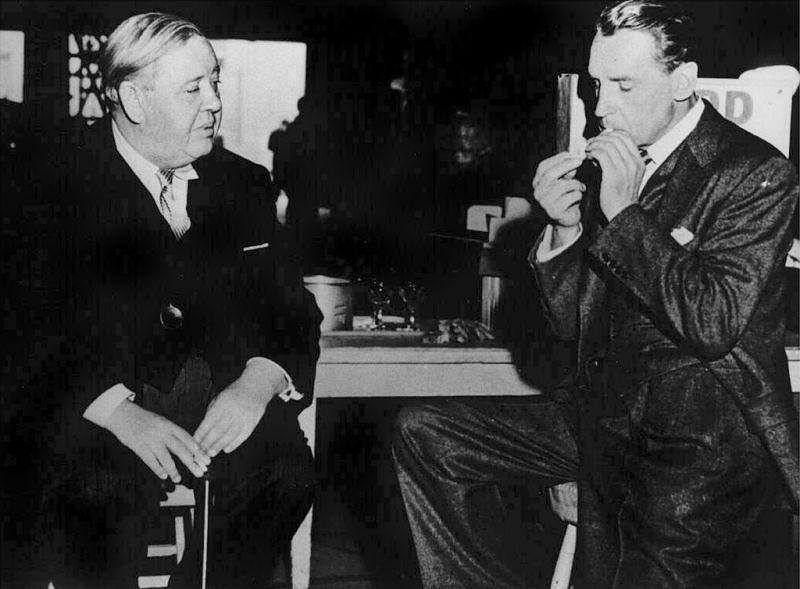
The character Mei Xiu (right) in the film is voiced by Tong Zirong.
Liu Feng continued, "Shanghai Film Dubbing Studio has a tradition of not caring about the size of the role. This time, many veteran artists participated in the dubbing of 'Witness for the Prosecution.' When I was arranging the roles, I never thought that the role was so small, and whether those veteran artists would have any objections." Indeed, in addition to the few who came to the scene, Cao Lei, who dubbed Janet, Tong Zirong, who dubbed May, and Cheng Yuzhu, who dubbed Inspector Hearn, are all veteran artists of Shanghai Film Dubbing Studio, but this time they were all willing to play supporting roles.
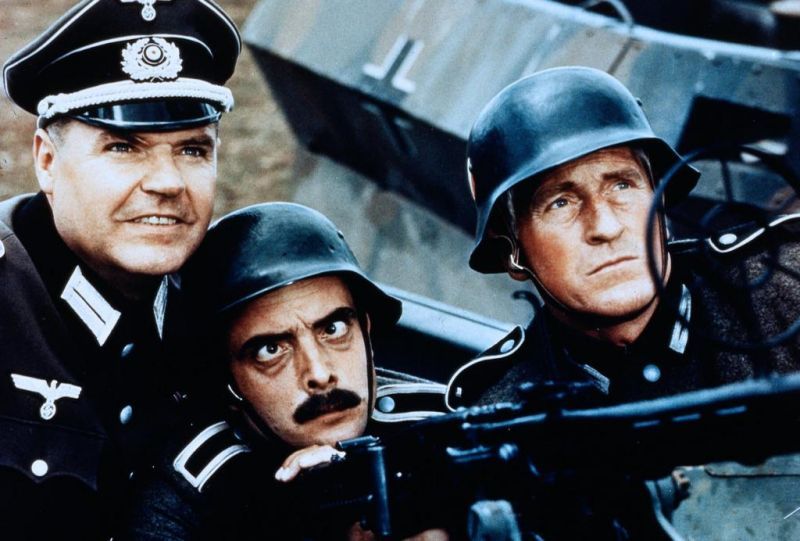
The character with cross-eyed eyes (Chinese) in "Escape from the Tiger's Mouth" is voiced by Qiao Zhen.
Qiao Zhen said, "There has always been a strong culture among the actors at the Shanghai Film Dubbing Studio that is to put a lot of thought into making even minor roles distinctive. For example, Qiu Yuefeng has dubbed countless extras, but he took each one seriously, which has become a role model for us. Do you know how many roles I dubbed in 'Escape from the Tiger's Mouth'? I dubbed the cross-eyed guy and the swimming pool manager."
Liu Feng added, "I remember in 'The Fugitive,' I voiced a total of 19 characters, which is the movie with the most characters I've ever voiced. Many characters only had one word in their lines, such as 'run' or 'fast.' I voiced five or six policemen alone, and seven or eight villains, but each character still had to be distinct."
The legacy of Shanghai Film Dubbing Studio
During the live-streamed discussion, Qiao Zhen and Liu Feng repeatedly emphasized, "The entire dubbing process for 'Witness for the Prosecution' followed a set of procedures summarized by Chen Xuyi, the director and soul of our Shanghai Film Dubbing Studio." The most unique aspect of this process is that after the script is translated, a senior actor from the studio acts as a lip-syncer, comparing the foreign actors' lip movements with the number of words in the Chinese dialogue. Afterwards, everyone gathers to meticulously refine the lines, striving to ensure that the original meaning is not lost while also matching the lip movements. It is precisely because of this that the generation that grew up watching dubbed films has the beautiful misunderstanding that "all foreigners speak Chinese."
Qiao Zhen revealed: "Participating in the dubbing of 'Witness for the Prosecution' this time reminded me of the working atmosphere at our Shanghai Film Dubbing Studio in the 1970s and 80s. At that time, we had a very magical creative team. Whether it was the director or the actors, they could sincerely remind each other, give each other advice, and criticize each other. Everyone listened to everyone's suggestions or criticisms with sincerity. I was one of them. If it weren't for the guidance of the older generation of artists, I wouldn't have been able to adapt to dubbing so quickly. After all, I studied drama performance. Back then, even if I didn't have a role, I would sit in the studio and watch how the seniors interpreted the characters."
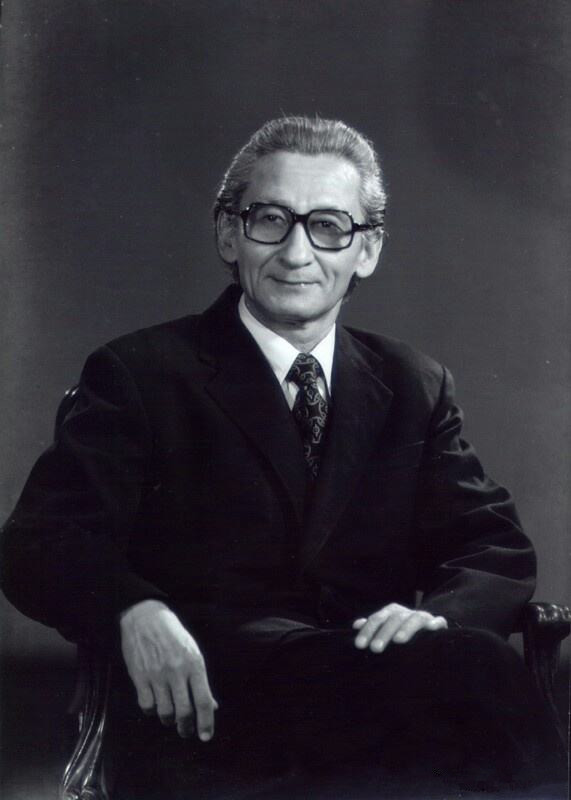
Qiu Yuefeng, voice actor at Shanghai Film Dubbing Studio
"What impressed me most was watching Qiu Yuefeng voice the ballet troupe leader in 'The Red Shoes.' He was telling the female lead about the plot of the ballet they were going to rehearse. You could really feel how passionate he was about ballet. The female lead was really excited by what he said, and they had a very natural exchange. I felt that voice acting also requires tacit understanding, and when people who are very familiar with each other work together, they will have a very good working relationship."
Besides the mentorship system, another characteristic of the Shanghai Film Dubbing Studio is its open-minded approach to recruiting talent. Zhou Yemang couldn't resist teasing his old friend Wang Xiaobing about this. "Back then, our group all graduated from the Shanghai Theatre Academy, but Xiaobing didn't. He started as a museum guide, and it was only because of his deep love for dubbing that he became a voice actor. Later, because his dubbing was so outstanding, he was poached to become a stage actor. So, how did you manage to get into the studio from outside the industry?"
Wang Xiaobing recalled: "When I was in the army, I watched the Shanghai Film Dubbing Studio's production of Les Misérables and was deeply moved by Shang Hua's voice as Javert. I was also impressed by Xiao Hua's voice as Éponine. At that time, I was determined to become a voice actor. After arriving in Shanghai, I found out that so many people wanted to audition for the Shanghai Film Dubbing Studio. I wrote a letter to Teacher Qiao Zhen, and the studio sent me a notice. I went to the Shanghai Film Dubbing Studio in my military uniform."
When the topic of reminiscing about the past came up, Cheng Xiaohua was filled with emotion. She said emotionally, "I couldn't sleep last night. As a second-generation voice actor at the Shanghai Film Dubbing Studio, seeing so many of us brothers and sisters gathered together, especially since I'm already over eighty years old, and the studio still thinks of us and allows us to continue to shine, makes me so happy. Although I've been retired for many years, I've always been concerned about the dubbing industry and hope it can be as popular as it used to be."
"Our successful collaboration in dubbing 'Witness for the Prosecution' reflects the spirit of our Shanghai Film Dubbing Studio, or perhaps it can be described as a revival. Our voice actors approach the original work with their inner world and convey emotions through their voices. In my opinion, dubbed films are in no way inferior to other forms of performing arts. I hope to have the opportunity to work with everyone again in the future. Of course, what I hope most is that the younger generation can go to the cinema and watch our dubbed films."